Understanding Full-Spectrum vs Broad-Spectrum CBD Before You Buy
CBD products are becoming increasingly popular in Flower Mound, TX, as more people explore hemp-derived options for their everyday wellness routines. When shopping for CBD, one of the most common questions customers ask is:
“What’s the difference between full-spectrum and broad-spectrum CBD?”
If you’ve seen these terms on product labels and felt unsure about what they mean, you’re not alone. Understanding the difference between full-spectrum and broad-spectrum CBD can help you make a confident and informed purchase.
This guide breaks everything down in simple terms so you know exactly what to look for before buying CBD in Flower Mound.
What Is CBD? A Quick Refresher
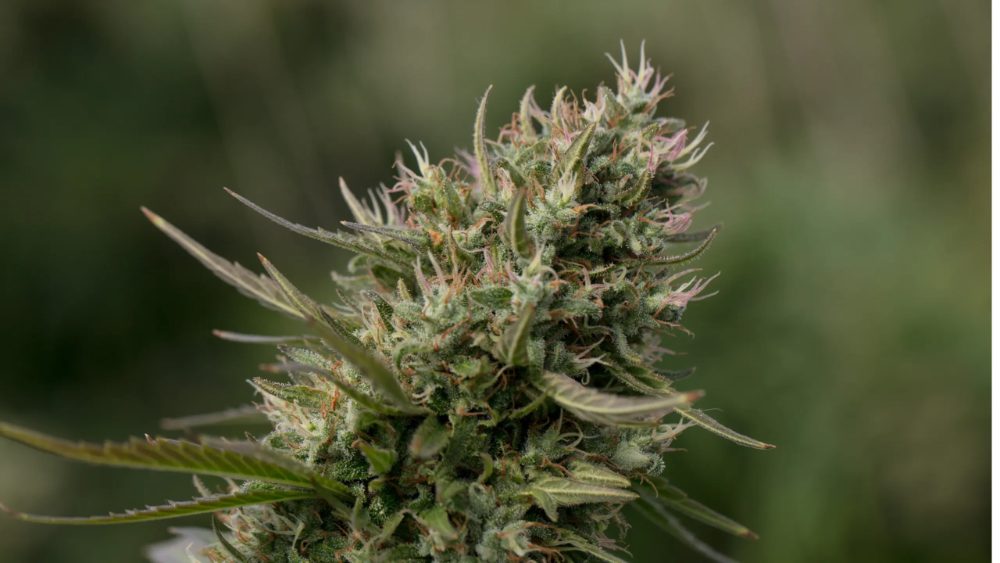
CBD (cannabidiol) is a natural compound found in hemp plants. Hemp contains many different plant compounds, including cannabinoids and aromatic compounds called terpenes.
When CBD is extracted from hemp, manufacturers can create different types of products depending on how much of the plant’s natural compounds are included. That’s where full-spectrum and broad-spectrum come in.
What Is Full-Spectrum CBD?
Full-spectrum CBD contains a wide range of naturally occurring compounds found in hemp. This typically includes:
- CBD
- Other minor cannabinoids
- Natural terpenes
- Trace amounts of THC (within legal hemp limits)
Because it contains multiple plant compounds, many customers choose full-spectrum products when they want a more “whole-plant” hemp experience.
Why Some Flower Mound Customers Choose Full-Spectrum
- They prefer minimally altered hemp extracts.
- They want a product that includes multiple cannabinoids.
- They are comfortable with trace THC within legal limits.
Before buying, it’s important to review lab reports to understand exactly what is included in the product.
What Is Broad-Spectrum CBD?
Broad-spectrum CBD also contains multiple cannabinoids and terpenes, but with one key difference:
THC is removed.
This makes broad-spectrum products a popular option for customers who want to avoid THC while still choosing a multi-cannabinoid hemp product.
Why Some Customers Prefer Broad-Spectrum
- They want THC-free products.
- They prefer extra peace of mind.
- They still want more than CBD isolate.
Broad-spectrum offers a middle ground between full-spectrum and CBD isolate.
What Is CBD Isolate?
While this guide focuses on full-spectrum and broad-spectrum, it’s helpful to briefly mention CBD isolate.
CBD isolate contains only pure CBD—no additional cannabinoids, terpenes, or THC.
Some beginners in Flower Mound choose to isolate because:
- It contains only CBD.
- It has no THC.
- It has minimal flavor.
Full-Spectrum vs. Broad-Spectrum: What’s the Real Difference?
Here’s a simple comparison to make it easier
Full-Spectrum CBD
- Contains multiple cannabinoids
- Includes trace THC (within legal limits)
- Often described as a whole-plant extract
Broad-Spectrum CBD
- Contains multiple cannabinoids
- THC removed
- Still includes terpenes and other compounds
The main deciding factor for most buyers is whether they prefer a product that contains trace THC or one that is THC-free.
How to Choose Between Full-Spectrum and Broad-Spectrum
If you’re shopping at a CBD store in Flower Mound, here are a few questions to consider:
- Are you comfortable with trace amounts of THC within legal hemp limits?
- Do you prefer a THC-free option?
- Have you used CBD before?
- Are you looking for a specific product format (gummies, tinctures, or topicals)?
There isn’t one “better” option—it depends on your personal preference and comfort level.
What to Look for Before You Buy
Regardless of whether you choose full-spectrum or broad-spectrum CBD, always check for quality indicators.
Third-Party Lab Testing: Make sure the product has up-to-date lab reports showing cannabinoid content, THC levels, and ingredient accuracy.
Clear Labeling: Look for total CBD content, serving size, ingredient list, and spectrum type clearly stated.
FAQs
- Does full-spectrum CBD cause strong psychoactive effects?
Hemp-derived full-spectrum CBD contains only trace amounts of THC within legal limits. Always review lab reports to understand exact levels.
- Is broad-spectrum completely THC-free?
Broad-spectrum products are formulated to remove THC, but reviewing lab testing ensures accuracy.
- Which is better for beginners?
Many beginners start with broad-spectrum if they prefer THC-free options. Others choose full-spectrum after learning about hemp extracts.
Final Thoughts: Making an Informed CBD Choice
Understanding the difference between full-spectrum and broad-spectrum CBD is one of the most important steps before buying. Visiting a trusted local CBD store in Flower Mound allows you to compare options and choose a product that fits confidently into your daily routine.
To explore personalized botanical guidance for your physical wellness goals, stop by our Two Budz dispensary storefront in Flower Mound, TX. Our knowledgeable team can answer cannabinoid metrics on purity, legal thresholds, and sublingual infusion techniques. Always consult with a licensed healthcare practitioner before introducing botanical extracts into your routine.